
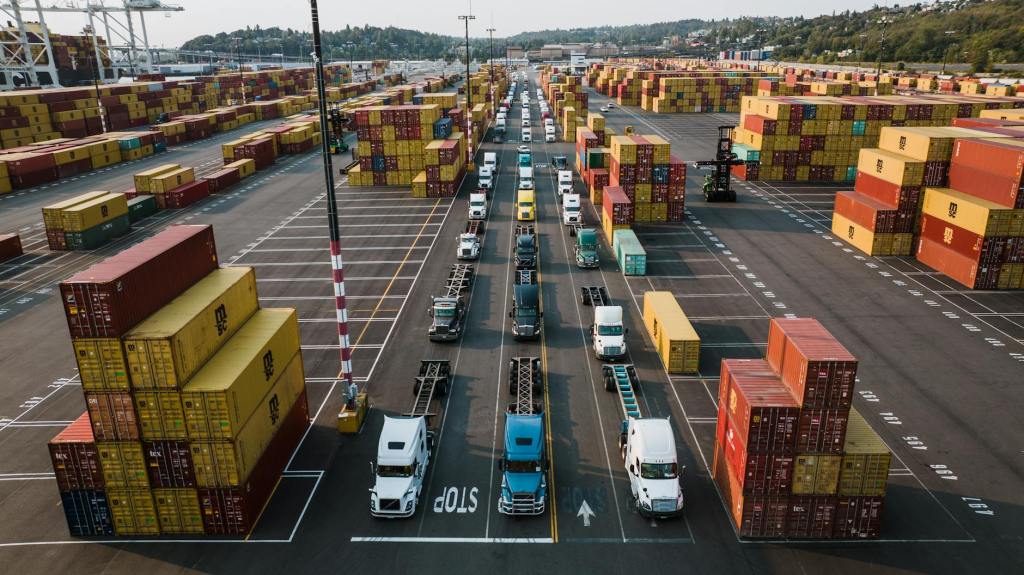
In the trucking industry, global trade isn’t just background noise; it’s the rhythm that drives everything from demand forecasting to route planning to fleet expansion. When that rhythm is disrupted, like it is now with looming tariffs, the effects can shake the entire industry. Whether you’re an owner-operator or managing a large fleet, it’s time to pay attention to what these trade policies could mean for your bottom line.
The Current Tariff Landscape
Tensions around tariffs are rising once again. The current wave of concern largely stems from the growing uncertainty surrounding U.S.-China trade, compounded by efforts from companies across industries to protect their margins. Even niche sectors like guitar manufacturing are being impacted, with brands like Fender and PRS facing cost spikes (source: Reuters), supply chain disruptions, and even credit downgrades due to their reliance on Chinese manufacturing.
As Moody’s recently reported, companies are attempting to pivot—shifting production to places like Vietnam and other Southeast Asian nations. But even those moves take time and don’t offer full insulation from cost increases. The uncertainty trickles down the supply chain, and when manufacturers and retailers hesitate, freight slows down. That hits the trucking industry first and hardest.
Even shipments of U.S. goods and materials to ports so they can be exported is currently grinding to a halt as you read this.
How We Got Here: A Brief History of Tariff Impacts
The roots of this latest tariff anxiety trace back to the trade tensions between the U.S. and China starting in 2018. At that time, shippers rushed to move goods in anticipation of rising costs, leading to a temporary boom in freight demand and trucking revenues. Some carriers saw record profits, spurring fleet expansions and hiring frenzies.
But it was short-lived.
By mid-to-late 2019, demand normalized, and trucking companies found themselves with overcapacity (more trucks than there were loads). Revenue projections fell short. Many fleets were left holding the bag on expensive new equipment they no longer needed.
Tariffs were then postponed, and while that gave a temporary reprieve, it also created instability. Businesses started shifting manufacturing to places like Vietnam (sound familiar?), which in turn altered established shipping lanes and created confusion across supply chains.
Even now, ports (especially on the West Coast) are still working through backlogs of goods stockpiled during those early waves of tariff threats. The market hasn’t had a consistent rhythm since.
Fast forward to now in 2025 and fears are once again mounting.
BONUS: TARIFF TRACKERS!
- Reed Smith
- GBA (easier to look at, in my opinion)
- DLA Piper (concise, but not necessarily complete)
Or you can click through these images from a post made by Molson Hart, CEO of a company that manufactures educational toys (I urge fleet owners and owner-operators to read his full post):
So, what happens next? Here are four possible scenarios trucking companies should be preparing for right now.
Four Scenarios for Trucking Companies to Consider
1. The Stagnation Scenario
What happens: Manufacturers preemptively shift operations overseas or adjust prices to offset tariffs. The result? Freight demand plateaus. Goods sit in warehouses. There’s no surge, no drop—just stillness. Carriers find themselves with idle trucks and thinning margins.
How to respond: In this environment, every dollar matters. The smartest move is to turn unpaid invoices into fast, usable cash through freight factoring. It’s a proven way to access working capital without waiting 30, 60, or even 90 days for client payments.
2. The Tariff Rush
What happens: Anticipating tariff hikes, importers and shippers push massive volumes quickly to get ahead. It’s a brief boom followed by a sharp slowdown. Carriers enjoy a burst of income, but many customers might overextend themselves, and some won’t survive the aftermath.
How to respond: Cash flow gets squeezed as demand falls and receivables go unpaid. A reliable freight factoring partner like Windsor Solutions ensures you’re never stuck waiting on slow-paying clients. You can get paid within moments of a drop-off, keeping your wheels (and your finances) moving.
Scenario 3: Full-On Economic Slump
In the worst-case scenario, tariffs destabilize the economy. Consumer confidence plummets. LTL and FTL shipments dry up. Businesses start hoarding cash. Loans get harder to secure. Truckers face mounting expenses and dwindling demand.
What happens: Tariffs trigger broader economic instability. Consumer spending dips. Businesses get conservative. Even LTL shipments decline. Bank lending dries up and interest rates climb. Trucking companies are left to weather a storm with little help from traditional financial institutions. Commercial lenders get predatory and provide the capital trucking companies need, but at astronomical interest rates.
How to respond: This is where freight factoring shines. Unlike bank loans or lines of credit, factoring gives you access to your own money, fast, without adding debt or impacting your credit score. Freight factoring stands out here as a recession-resistant tool. You keep your operations afloat, even when demand is low.
4. The Unexpected Boom
What happens: Against the odds, the U.S. economy thrives despite tariffs. Domestic production ramps up. Imports diversify. Trucking demand surges—and carriers need to scale quickly. To paraphrase Douglas Adams, we learned to fly by intentionally throwing ourselves at the ground, and somehow we missed.
How to respond: Seize the moment with freight factoring. Instead of being held hostage by slow-paying customers, you can access capital now and reinvest in growth! Buy new trucks, hire more drivers, and expand into new lanes!
Why Freight Factoring Is the Smart Move, No Matter the Scenario
Tariffs are unpredictable. Global trade is shifting. But one thing remains constant: trucking companies need steady cash flow to thrive.
That’s where freight factoring from Windsor Solutions comes in. It’s fast, reliable, and recession-resistant. Best of all? It’s not a loan. You get immediate payment on your freight invoices without taking on debt or harming your credit score.
With Windsor Solutions, you can:
- Get funded within moments of delivery
- Stop waiting 30–90 days for payment
- Stay cash-flow positive—even in uncertain times
👉 Click here to learn more about Rapid Freight Factoring from Windsor Solutions
No matter how the tariff drama unfolds, you don’t have to sit on the sidelines waiting. Take control of your cash flow, and your future, today.
